

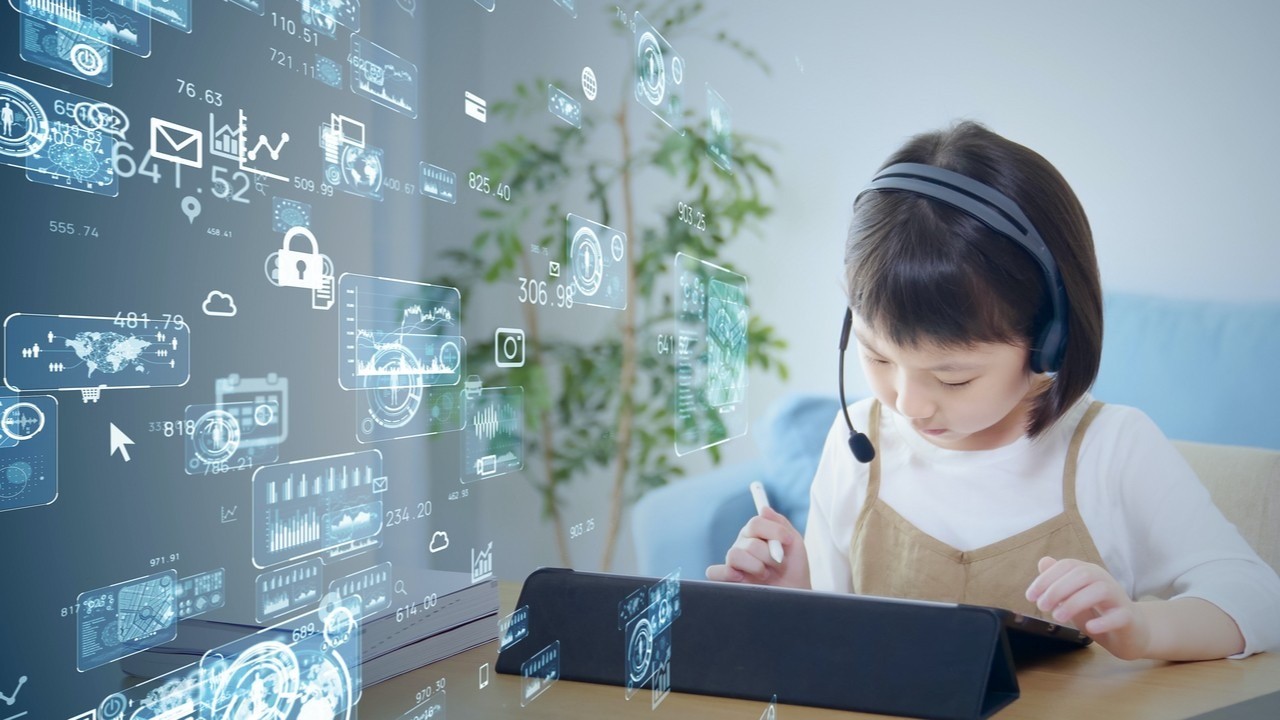
Blended learning has changed the way we think about teaching and learning. By combining traditional classroom methods with online tools, it creates a more flexible, engaging, and personalized learning experience. As technology becomes a bigger part of education, blended learning stands out as an approach that brings together the best of both worlds; face-to-face interaction and digital learning.
What Is Blended Learning?
Blended learning is a teaching approach that mixes in-person classes with online learning. It’s designed to take advantage of both methods the personal connection and guidance that come from classroom teaching, and the flexibility and variety offered by digital tools.
In a blended classroom, students might attend lessons in person, participate in online discussions, complete digital assignments, and use interactive resources at their own pace. The goal is to create a well-rounded and adaptable learning experience.
Benefits of Blended Learning
Blended learning helps students stay interested by using a variety of methods like videos, online quizzes, group discussions, and interactive lessons. This mix appeals to different learning styles and keeps classes lively and engaging. Students can learn anytime and anywhere. The online portion allows them to go over lessons again, explore extra materials, or move ahead at their own pace. This flexibility supports different learning speeds and styles.
With blended learning, students aren’t limited to a single textbook. They can use online libraries, simulations, videos, and virtual labs, which make learning deeper and more interesting. Online tools like discussion boards, group chats, and video meetings make it easy for students to work together and communicate with teachers outside of class. This builds teamwork and communication skills that are valuable beyond school.
Making Blended Learning Work
Understand below points while starting your blended learning;
- Start with clear learning objectives. Make sure that both the classroom and online parts of the course work together to meet these goals.
- Choose reliable and easy-to-use tools that support collaboration, interactive learning, and easy access to materials.
- Create strong communication channels so students can ask questions, share feedback, and get help when needed.
- Mix live (synchronous) lessons with self-paced (asynchronous) activities. Real-time sessions help build community and discussion, while self-paced modules give students time to reflect and explore on their own.
- Regularly assess student progress and engagement.
More in the Future
As technology continues to evolve, blended learning will play an even bigger role in education. It helps teachers adapt to students’ changing needs and prepares learners for a digital future. Through blended learning, students develop not only knowledge but also critical thinking, creativity, and digital skills that are essential in today’s world.
However, success with blended learning doesn’t happen automatically. It requires thoughtful planning, clear communication, and ongoing evaluation. Teachers need to find the right balance between in-person and online activities to create a seamless learning experience. Collaboration among educators, sharing best practices, and professional training are also key to making blended learning effective.